Compare Local Contractors for Farm Fencing Installation Success
Compare local contractors for farm fencing installation to define project scope, verify experience, and establish clear expectations for a successful property boundary upgrade.
Farm fencing installation typically involves planning and constructing barriers that define property boundaries, contain livestock, or secure specific areas on a farm or ranch. This work can include selecting appropriate fencing materials such as wood, wire, or vinyl, digging post holes, installing fence panels or rolls, and ensuring the overall structure is sturdy and functional. Depending on the property's needs, contractors may also handle additional elements like gates, bracing, or specialized fencing types designed for particular purposes, all aimed at creating a durable and effective enclosure.
Defining the scope of a fencing project is crucial to ensure that property owners and contractors share clear expectations. A well-defined scope outlines the size and layout of the fence, the materials to be used, any additional features like gates or signage, and specific considerations such as terrain or existing structures. Clarifying these details in writing helps prevent misunderstandings, ensures that the project meets the property owner’s needs, and provides a basis for comparing different service providers. Clear scope definitions also facilitate smoother communication and can help identify any potential challenges early in the planning process.
When evaluating local contractors for farm fencing installation, property owners should consider experience with similar projects, reputation within the community, and the quality of previous work. It’s helpful to verify how long a contractor has been operating in the area and to ask for references or examples of completed fencing projects. Comparing service providers involves reviewing their scope of services, understanding their approach to planning and installation, and ensuring that they can accommodate specific property requirements. Gathering detailed information and asking questions about their process can assist in making an informed decision and selecting a contractor capable of delivering results that align with the project’s needs.
Compare local contractors by outlining your fencing priorities, verifying experience, and setting clear project expectations.
- Compare Contractor Credentials - Review the experience and background of local contractors to ensure they meet project requirements.
- Define Project Scope Clearly - Establish detailed work descriptions to set clear expectations for fencing installation.
- Verify Experience and References - Check prior work and references to assess the quality and reliability of service providers.
- Document Agreements in Writing - Ensure all project details, responsibilities, and expectations are outlined in a formal agreement.
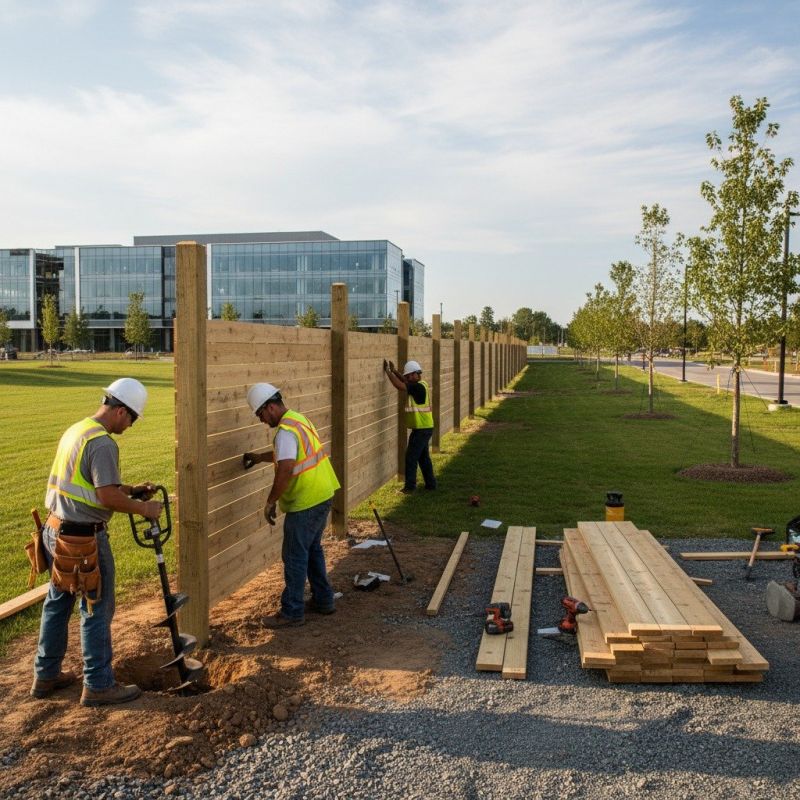
Before comparing local contractors for farm fencing installation, clearly describe your project scope and verify their experience in similar work.
- Verify the experience of local contractors with farm fencing installation projects similar in scope and size. - Ensure that scope of work, materials, and fencing specifications are clearly defined and agreed upon in writing.
- Assess the contractor’s understanding of property boundaries and land layout to prevent future disputes or issues. - Confirm that the service provider has a plan for proper land assessment and marking prior to installation.
- Check references or reviews to evaluate the quality and reliability of previous farm fencing projects completed by the contractor. - Look for consistency in workmanship and adherence to project expectations in past work.
- Discuss and clarify the type of fencing materials and styles to be used to match the property’s needs and aesthetic preferences. - Make sure the contractor is knowledgeable about different fencing options and their suitability for farm environments.
- Confirm that the scope includes site preparation, such as clearing or leveling, if necessary, to ensure proper fence installation. - Clarify what preparatory work the contractor will handle to avoid misunderstandings.
- Ensure that all project details, including measurements, materials, and responsibilities, are documented in a detailed contract or agreement. - Protect the project by having a comprehensive written record of the agreed-upon scope and expectations.
Compare local contractors, clarify project scope, verify experience, and set clear expectations in writing.
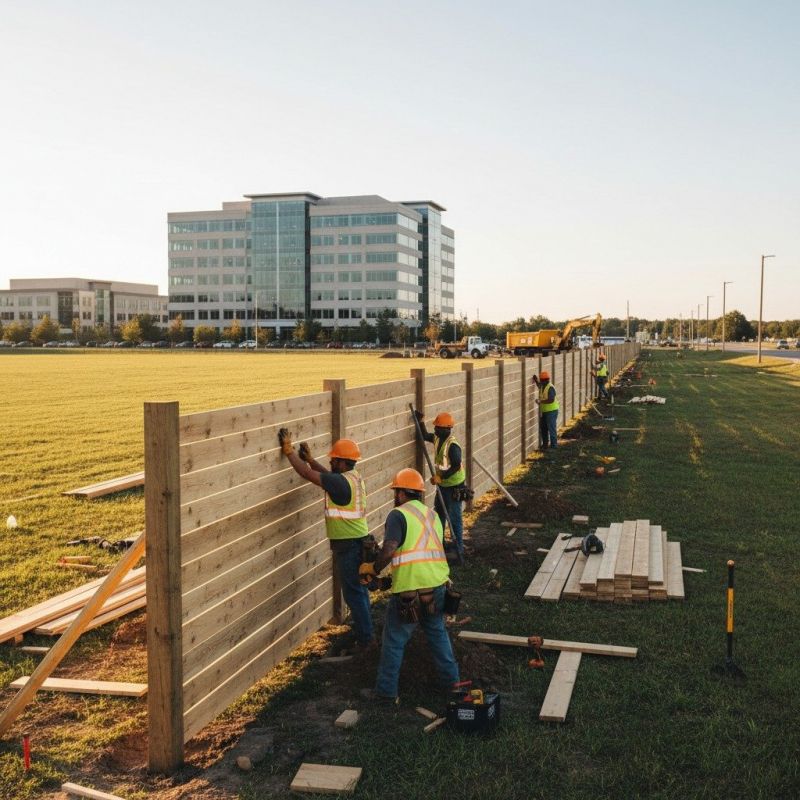
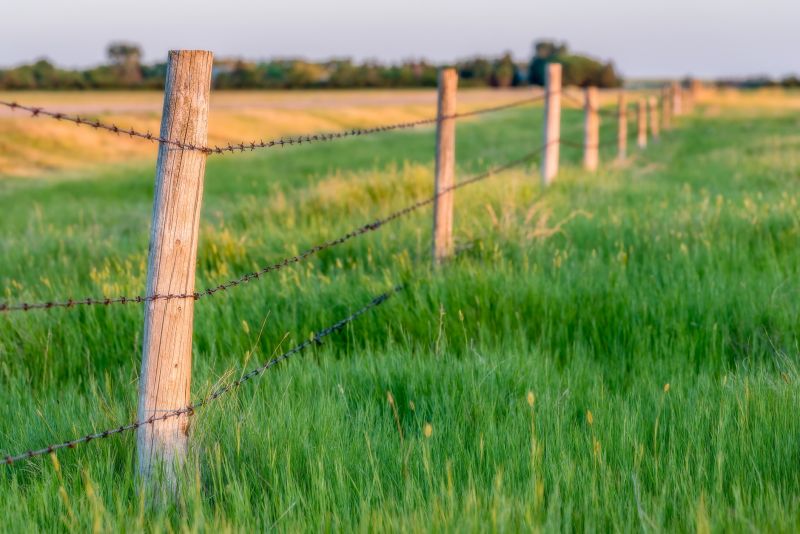

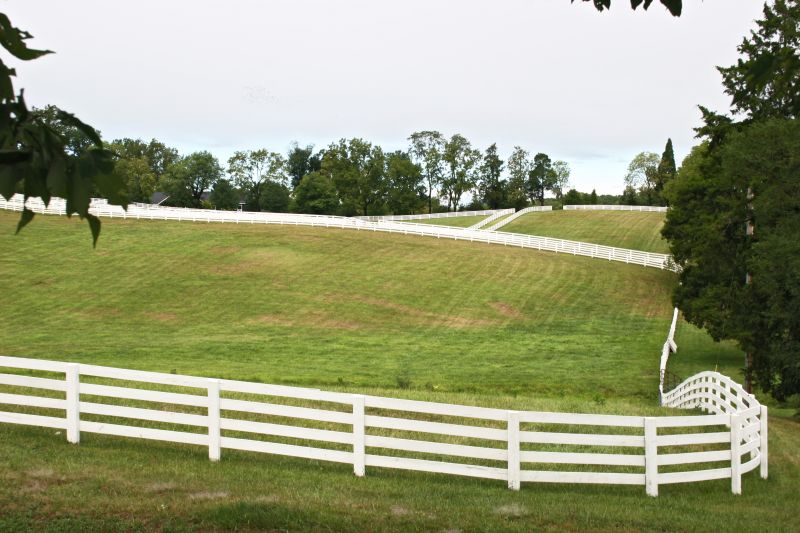
Learn how to compare farm fencing installation contractors, define scope, verify experience, and set clear expectations in writing.
- Project Scope - clearly define the type, length, and height of fencing required for the property.
- Material Selection - specify the fencing materials preferred or suitable for the intended use.
- Site Conditions - assess and document the terrain, soil type, and any obstacles that may impact installation.
- Installation Requirements - outline any specific installation methods, access considerations, or safety precautions.
- Contractor Expectations - determine how local contractors will provide detailed proposals and scope documentation for comparison.
When comparing contractors for farm fencing installation, it is important to consider their experience with similar projects. Homeowners should inquire about the types of fencing they have previously installed, including the size, scope, and terrain of those projects. A contractor’s familiarity with the specific fencing materials and techniques relevant to agricultural or rural settings can provide insight into their capability to handle the unique challenges of the site. Ensuring that a service provider has a proven track record with comparable work helps establish confidence in their ability to meet project requirements.
A clear, written scope of work is essential when evaluating potential contractors. This document should outline the specific tasks to be completed, the materials to be used, and the expected deliverables. Having a detailed scope helps prevent misunderstandings and ensures that both parties have aligned expectations from the outset. Homeowners are encouraged to review and request written descriptions of the project to clarify what is included and what might require additional agreement, fostering transparency and reducing the potential for disputes later on.
Verification of a contractor’s experience can be supported by requesting references or examples of completed projects similar to farm fencing. Speaking with previous clients or viewing past work can provide valuable insights into the quality of craftsmanship and professionalism. Additionally, confirming that the service providers have the necessary knowledge of local regulations, land conditions, and fencing standards can help ensure the installation process proceeds smoothly. This verification process is a practical step in assessing whether a contractor has the appropriate background for the project.
When evaluating options, it is helpful to compare how each contractor approaches the scope, communicates, and documents their plans. Homeowners should look for detailed proposals that outline the work process, materials, and responsibilities. It is also wise to ask how the contractor plans to handle potential challenges or unforeseen issues. A thorough review of these aspects allows for an informed decision based on clarity, professionalism, and expertise, rather than price alone. This approach ensures that the chosen service provider is well-equipped to deliver the project to the homeowner’s expectations.
Ask contractors to provide written scope details to ensure clear expectations and consistent project understanding.
- Experience and References - What experience do the contractors have with farm fencing installation in similar settings?
- Scope of Work - How do the contractors define and clarify the scope of the fencing project to ensure mutual understanding?
- Materials and Methods - What fencing materials and installation techniques do the service providers recommend for durability and suitability?
- Communication and Expectations - How will the contractors document project details and expectations in writing before starting work?
- Comparison Criteria - What factors should be used to compare and evaluate different farm fencing installation service providers?
How can I compare fencing contractors for farm installation? Comparing local contractors involves reviewing their experience, verifying references, and assessing their scope of work to ensure they meet specific project needs.
What should I clarify when defining the scope of farm fencing work? Clearly outline the type of fencing, materials, length, and any additional features to ensure contractors understand the project requirements.
How do I verify the experience of farm fencing contractors? Ask for details about their previous projects, request references, and review any available work history to gauge their expertise in farm fencing installation.
Why is it important to have the project scope in writing? Having the scope documented helps set clear expectations, reduces misunderstandings, and provides a reference for the agreed-upon work.
What questions should I ask contractors during the comparison process? Inquire about their experience, the types of fencing they install, materials they recommend, and how they handle project specifics and site considerations.
How can I ensure the contractor understands my farm fencing needs? Provide detailed descriptions of your requirements, ask how they plan to approach the project, and confirm that all expectations are documented before work begins.
This page has provided an overview of key considerations when selecting contractors for farm fencing installation. Visitors learned how to define the scope of work, verify experience, and set clear expectations in writing to help ensure a smooth project process. Comparing options among nearby service providers can help identify the best match for specific needs and preferences.
Using the quote form allows for easy comparison of local contractors who can handle fencing installation projects. It offers a straightforward way to connect with experienced service providers in the area, so that the next step can be taken to find the right contractor for the job.